

Source: Canva / Civic Media

Jan 22, 2026, 5:34 PM CST


Share
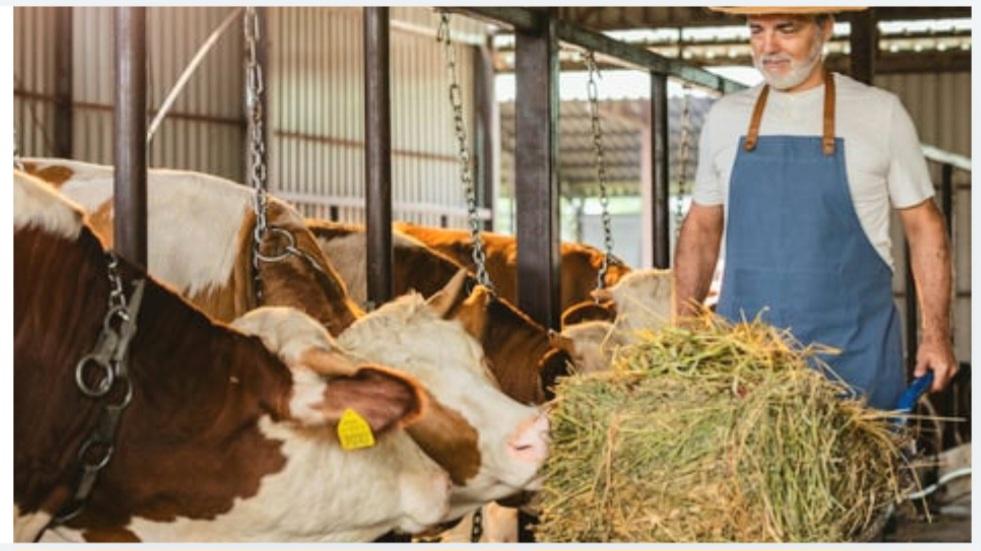
Family farms across the state continue to face what seems to be a familiar and unforgiving choice. You need to get bigger, or get out. This reality is at the heart of a powerful conversation featuring two Wisconsin authors who are also farmers. Their books, written independently, detail the crisis by telling different parts of the same story.
Brian Reisinger, author of Land Rich, Cash Poor, documents the national issues impacting family farms. He focuses on the economic pressures, political decisions, and technological shifts that are squeezing smaller operations, including his own family’s farm near Spring Green.
“My book describes the problem,” Reisinger says. “Dick’s really shows one possible solution.”
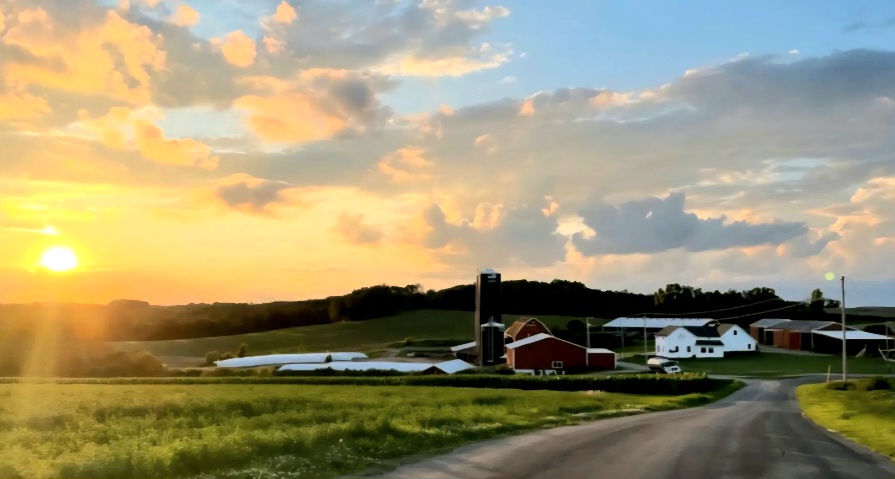
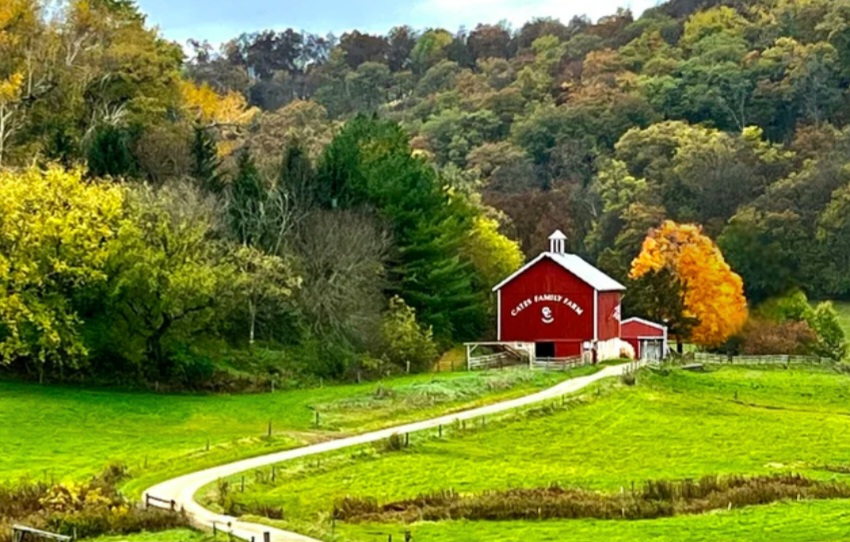
Dick Cates is the author of A Creek Runs Through This Driftless Land: A Farm Family’s Journey Toward a Land Ethic. It picks up where Reisinger’s story leaves off. He traces how his farm outside of Spring Green nearly failed before finding a more sustainable path forward.
Both men are sharing from some deeply personal histories.
Listen to this discussion from the WRCO Morning Show here:
[podcast src="https://civicmedia.us/shows/wrco-morning-show/2026/01/21/hope-for-family-farms"]Reisinger says generations of his family farmed in southwest Wisconsin. They survived the Great Depression, market collapses, and policy changes that left farmers with little room for error. Cates reflects on decades of farming through fuel crises, high-interest loans, and the farm collapse of the 1980s. And he says he spent years chasing efficiency and scale, only to discover that bigger did not always mean better.
“The commodity system was killing me,” Cates says. “What saved us was realizing we could take responsibility for our own marketing and build relationships with the people who cared about how their food was raised.”
There’s resilience at the core of both stories, along with imagination. Reisinger describes farm families across the country as adapting however they can – from side hustles to direct sales. Cates points to emerging options including agritourism, niche crops, contract services, and direct-to-consumer models that reconnect farmers with their local communities.
The conversation also extends beyond farming itself. Both men stress the loss of family farms is also the loss of rural culture, environmental stewardship, and local economies. Rebuilding those connections, they both argue, requires honesty about the crisis and collaboration beyond political lines.
“This isn’t left versus right,” Reisinger explains. “It’s about whether we’re willing to put family farms first.”
Their shared messages are really not nostalgic. The past isn’t coming back, they say—but the future is still being shaped. And that future depends on reconnecting the people who grow food with the people who depend on it.
“We don’t all know the right way forward,” Cates says. “But if we tell our stories, share what we’ve learned, and support one another, there’s real reason for hope.”

Teri Barr is Civic Media’s Content Creator and a legend in Wisconsin broadcast journalism. Email her at [email protected].
Want More Local News?

Civic Media
Civic Media Inc.
The Civic Media App
Put us in your pocket.